Archive for May, 2022

Chernobyl Radiation and Ecological Biosphere Reserve after occupation

May 30 2022 Published by under Без категорії

During the Russian occupation, offices were looted, equipment destroyed, employees injured and parts of the reserve became minefields.  As a result, it may be a long time before scientists can continue their research on this unique protected area.  How important is this reserve and how has the war affected it?

 A place where nature is restored

The Chernobyl Radiation and Ecological Biosphere Reserve is the youngest and largest reserve in Ukraine. Located within the Exclusion Zone and the Unconditional, or Mandatory, Resettlement Zone, the reserve is an unusual combination of protected area and site of the largest radiation accident at a civilian nuclear facility.

With economic activity absent from the area, Polesia’s wild-nature has returned.  It is home to emblematic European forest species including lynx, wolf, elk, red deer, wild boar, owl and white-tailed eagle. A total of around 400 vertebrate species. Its large area, more than 2,000 km2, has diverse landscapes, which in turn support a wide variety of biodiversity.

Unique conditions for research

In general, the reserve does not differ from other Ukrainian reserves in terms of its objectives and functions. However, there is one huge difference – the presence of radiation pollution. This creates unique conditions for radioecological and radiobiological research – ie for looking at the impacts of radiation on ecology and on people.

The main focus of the reserve’s scientific research is to study the impacts on nature over time, but in cooperation with partners the reserve is also implementing a number of projects. For example, in cooperation with the Frankfurt Zoological Society camera-trap monitoring of large animals and lynx. Together with WWF-Ukraine restoration of bison populations. And with Japanese colleagues from Fukushima University, studying the effects on rodents [or mice and rats] in exclusion zone “hot spots”.

Losses due to occupation

For more than a month, the reserve was occupied by Russian troops. At the moment, it is difficult to assess all the consequences of the occupation. The offices of the Chernobyl Reserve have been looted and some equipment lost.  The occupiers built engineering structures and destroyed some of the reserve’s infrastructure. Many of the reserve’s personnel have been affected one way or another – by occupation, hostilities or evacuation. Three staff were wounded.
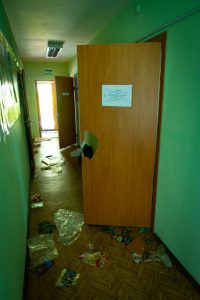
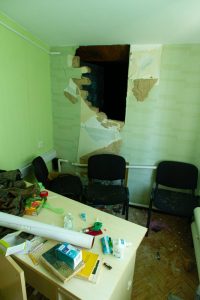
Now the reserve must be cleared of mines before the scientific research can restart.

Comments Off on Chernobyl Radiation and Ecological Biosphere Reserve after occupation
Ukrainian parks received 200 sets of firefighting equipment

May 24 2022 Published by under Без категорії

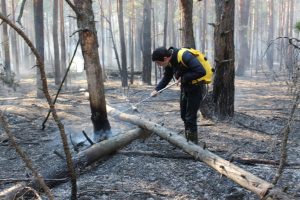
Fires caused by the Russian invasion of Ukraine are destroying protected areas. In the last week alone, such fires destroyed ecosystems within the protected areas of more than 1,000 hectares.

Before snowmelt inundates the vast floodplains of the Polesia region in northern Ukraine, forests and grasslands here are at their driest. At this time of year, the risk of wildfires is ever-present, exacerbated by peatland drainage and drier years due to climate change.

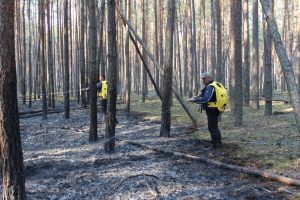
This year the threat is even higher than normal. The protected areas in Polesia traditionally mobilize to fight these fires, but now additional equipment is needed to tackle the much greater fire risk faced in a time of war.


The FZS team in Ukraine has sent 70 extinguisher backpacks to three protected areas in Polesia and 130 sets of firefighting equipment and clothing for three territories bordering the occupied territories or partially occupied. 


Comments Off on Ukrainian parks received 200 sets of firefighting equipment

How war affects biodiversity: story of birds on Kryva Kosa

May 11 2022 Published by under Без категорії

War destroys ordinary lives – of people and also of animals. It’s currently hard to assess the loss of biodiversity in Ukraine, this will need careful research after the war ends.  However, the losses of bird colonies caused by the smaller military actions in 2015 indicate what might happen. 

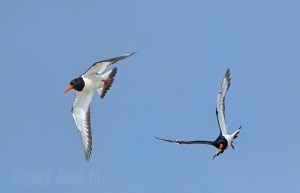
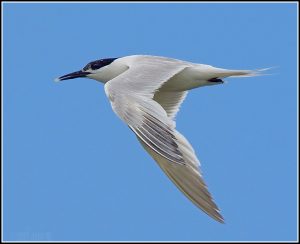
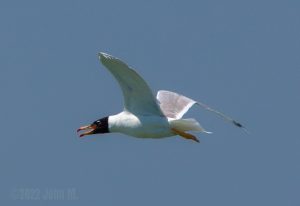
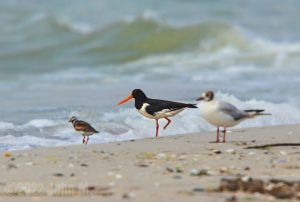
After the of creation Meotyda National Park in Donetsk region, its Kryva Kosa coastal area on the Azov sea was protected and managed for nature. As a result, large numbers of Pallas’s gull, a rare species listed in the Red Book (Endangered Species List) of Ukraine, began to breed on the coast. In three years, their colony reached 3,000 pairs and became the largest in Europe. Also, for the first time in Ukraine, ​​Dalmatian pelican began to breed here, together with other species, such as Eurasian oystercatcher (vulnerable in Europe) and more than 60,000 pairs of Sandwich tern. Kryva Kosa became truly unique!


However, when Russian troops began using Kryva Kosa for landing in 2015 all the birds disappeared at once. Occupation of the area led to the abandonment of the conservation management and most of the birds left this important nesting site.

It is difficult to predict how many more such places we have lost since the beginning of the full-scale war. Hence every effort must be made to preserve biodiversity and natural habitats in areas free from warfare.

Text: Maksym Gavrilyuk, ornithologist of the Ukrainian Nature Conservation Group

Comments Off on How war affects biodiversity: story of birds on Kryva Kosa